US Dollars
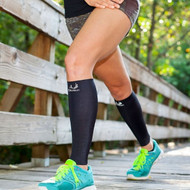
When you’re healing, the hardest part is often the space between injury and full recovery. You’re no longer resting all day, but you’re not back to normal either. You still have to walk the dog, work a shift, or ease back into training.
That’s where orthopedic braces with compression can help. The right fit can provide a steady, supported feel to help manage swelling and make your everyday movement more comfortable.
What Compression Does For You During Recovery
For many people dealing with knee pain after knee injuries or a mild sprain, that “held” feeling can make everyday movement feel more comfortable.
Proprioception
Compression can provide proprioceptive feedback, which means you may be more aware of the joint as you move. That extra awareness can help you move with more control and confidence during daily activities and sports. It’s not a guarantee of injury prevention, but it can be part of practical knee support as you return to movement.
Where braces fit in a plan
Braces work best when they match your lifestyle and activity level. A temporary support sleeve may be enough for mild soreness or swelling.
If you’re dealing with ligament injuries, ongoing chronic instability, or you’re returning to higher-demand sports, you may need maximum support from more structured options—like rigid braces or designs with straps and locking features to help with stability.
The goal is to choose the right brace for the job, wear it for the activities that stress the joint, and pair it with a treatment plan that includes gradual loading, mobility, and strength work, and often with guidance from a physical therapist or other healthcare provider, especially after surgery or a more severe injury.
Quick comfort + safety checks
- Fit should feel snug and secure.
- If you notice skin irritation or increased pain, stop and reassess fit and wear time.
- If your brace traps heat or feels bulky under clothing, try a more breathable sleeve or a different wrap style for better day-to-day wear.
How to Choose the Right Compression Brace
1) Start with the area
Where do you need support? Is it on the ankle/foot, knee, elbow, calf/thigh, or low back? The product depends on the joint or tissue you’re trying to protect while you recover.
2) Get clear on your goal
Different braces do different jobs. Ask yourself if what you need is:
- swelling control and comfort
- light support for the movement
- added stability for higher-demand tasks or sports
- targeted support from straps, a pad, or a stabilizing ring around the kneecap/patella
These are the real key benefits to match.
3) Pick the design that fits your life
- Pull-on sleeves: simple, consistent compression, easy for daily wear
- Wraparound: adjustable if swelling changes or if you want easier on/off
- Hinged or strapped braces: more structure when you need more control and support
If you’re getting a new brace, think about when you’ll wear it (work, walking, training, football, etc.) and how quickly you need to get it on and off.
4) Prioritize fit (this is where results come from)
A brace should feel secure and supportive without feeling like it’s restricting blood flow. If a brace is too tight, it can increase discomfort and create pressure points. If it’s too loose, it can slide and stop helping with alignment and support.
- Measure and use the sizing chart
- Re-check fit as swelling changes
- Pay attention to the position around the joint so the support elements sit where they’re intended
5) Keep expectations realistic
Some people look for “medical grade compression” or the “best knee brace,” but what matters most is the match between your activity and the support level you need. A brace can help you stay active and move more comfortably during the healing process, but it shouldn’t be used to push through sharp pain or to promise pain-free movement.
6) A quick safety check before you go
If you notice numbness, tingling, increasing pain, or skin issues, loosen or remove the brace and reassess sizing and wear time.
Compression Ankle Braces
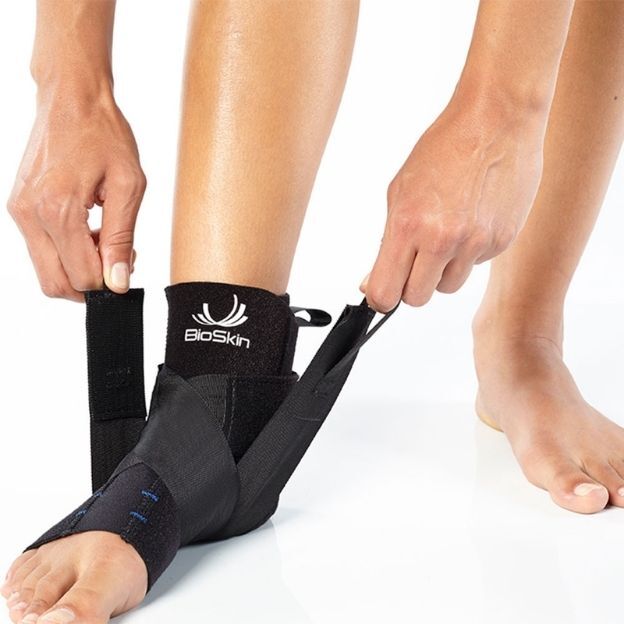
This section applies if you’re dealing with a recent ankle sprain that’s left you with lingering swelling or an unstable, “wobbly” feeling when you’re back on your feet. Compression ankle braces are also commonly used for post-operative swelling control when directed by a healthcare provider.
Why compression helps at the ankle
The ankle carries body weight with every step and changes direction often, particularly during sports and uneven walking. A well-fitted compression brace helps manage swelling, supports surrounding tendon structures, and gives a more stable feel as you walk or return to light activity.
Many athletes use ankle compression during recovery while easing back into play.
Product picks
A lightweight, low-profile pull-on brace designed to provide even compression throughout the foot and ankle. Often used during the return-to-walking phase when you want consistent support that fits comfortably inside shoes.
A front-opening design that’s easier to put on when swelling or limited mobility makes pull-on sleeves difficult. Adjustable closure allows you to fine-tune fit as swelling changes.
Compression Knee Braces
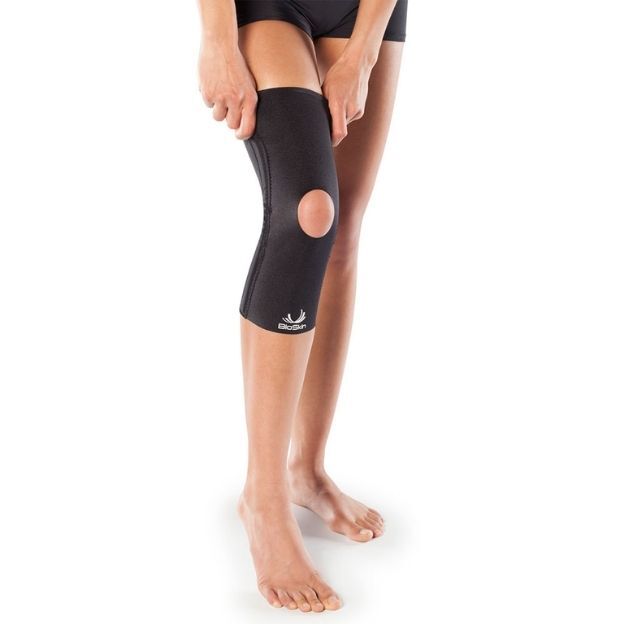
Knee braces can look similar, but they serve different purposes. Breaking them into a few clear categories makes it easier to choose the right level of protection for your knee.
Sleeve-only support
Compression sleeves focus on comfort and swelling management. They’re commonly used for general knee soreness, overuse, or mild discomfort when you want consistent compression without added structure.
Sleeve + hinges
These combine compression with mechanical support from internal hardware. Hinges help guide movement and provide added stability for people dealing with mild ligament-related concerns or returning to higher-demand activity.
Patella-focused designs
These braces are built to support the kneecap during movement. They’re often used when symptoms follow anterior knee pain patterns or patellar tracking issues, where alignment and control matter more than overall compression alone.
Product picks
A straightforward sleeve designed to deliver consistent compression for everyday discomfort and overuse recovery. Often chosen when swelling or soreness is the main issue and you want low-profile support.
Offers the feel of a compression sleeve with integrated hinges for added support. The design is typically used when you need more stability but want to avoid a bulky brace.
A compression sleeve with a supportive ring positioned around the kneecap. This can help guide patellar movement and provide targeted support during walking, stairs, or light activity.
Compression Elbow Braces for Injury Recovery
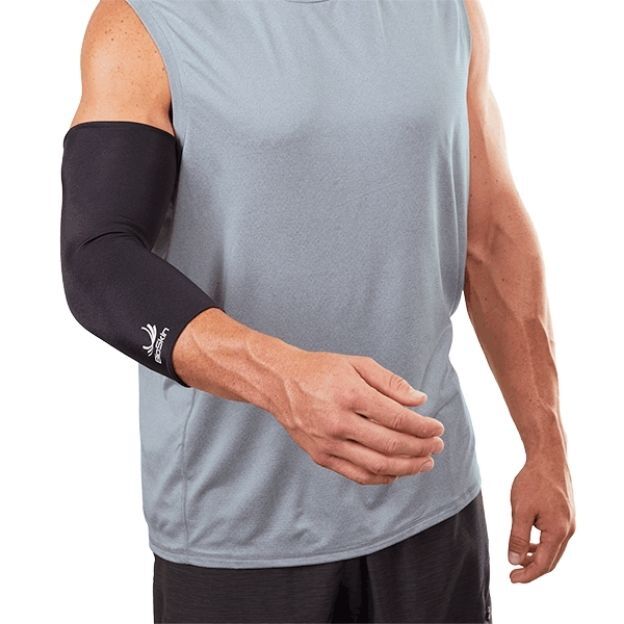
Elbow compression is commonly used for repetitive-use soreness, tendon irritation, or lingering discomfort from work, lifting, or sports. The goal is to provide support and comfort around the joint while you continue with your daily activities.
Product picks
A simple, pull-on sleeve that provides consistent compression around the elbow. Often used for general soreness during work, gym sessions, or recovery days when you want low-profile support that’s easy to wear for longer periods.
A strap-style brace with a focused pressure pad worn just below the elbow joint. This design is commonly chosen for tennis or golfer’s elbow patterns, where targeted support to the forearm tendons feels more helpful than full-joint compression.
Compression Calf and Thigh Sleeves
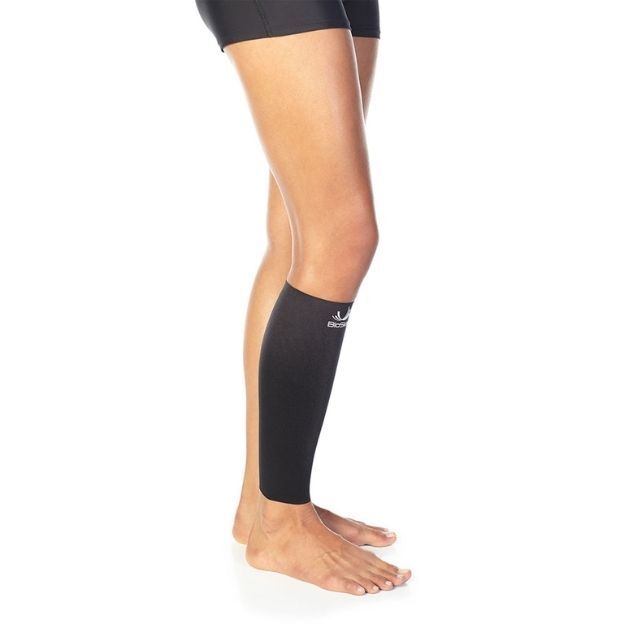
Compression sleeves for the calf and thigh are commonly used after training or activity to support recovery from muscle soreness, strains, pulls, or bruising. They’re often worn when you want a more contained, supported feel as tissues settle, without limiting natural movement.
A pull-on calf compression sleeve designed to provide consistent support during activity and rehab. Commonly worn for calf strains, lingering soreness, or general lower-leg fatigue when you’re easing back into walking, running, or sports.
A compression sleeve intended for the upper leg (often used for quad or hamstring strains and contusions). The sleeve provides broad compression that can feel supportive during movement while swelling and soreness settle.
Compression Spine and Lumbar Braces
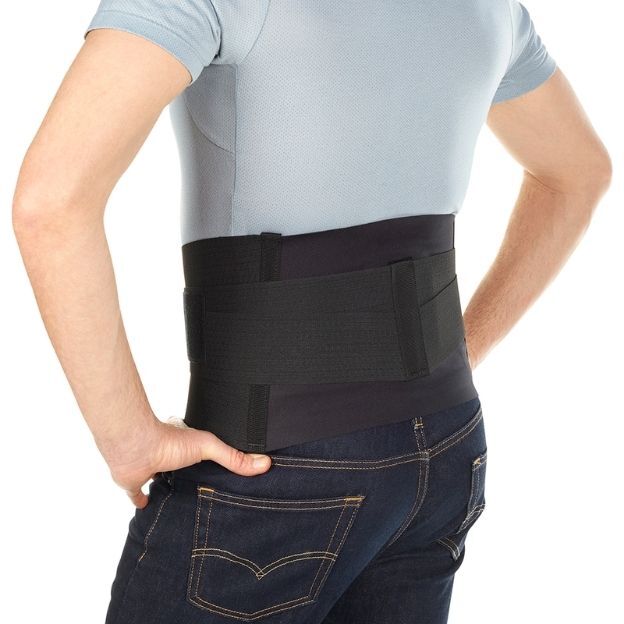
Lumbar compression braces are commonly used for low back strains, recurring flare-ups, or situations where you need extra support during daily tasks, like standing, walking, or light lifting. It’s to provide a more supported feel through the trunk while you continue normal movement as symptoms settle.
Product picks
A lower-profile option designed for everyday wear. Often chosen when you want light-to-moderate compression that fits comfortably under clothing and supports routine activity.
A pulley-style brace that allows more precise adjustment of compression. It helps distribute pressure evenly around the lower back, which can be useful during flare-ups or longer periods of standing or movement.
A more structured lumbar brace with vectored compression and a taller back panel. Typically used when more substantial support is needed for activity modification or during more demanding parts of recovery.
Find the Support that Fits How You Move
The right compression brace should match your body, your activity, and where you are in the recovery process.
Take time to check sizing, consider how and when you’ll wear the brace, and choose a design that supports movement without getting in the way. If you’re unsure, a clinician or physical therapist can help narrow your options.
When you’re ready, explore BioSkin’s range of compression braces to find support that fits comfortably, stays in place, and works with your recovery.
Frequently Asked Questions
Can a knee brace help with knee pain?
A knee brace can provide support and compression that may make knee pain feel more manageable during daily activities. The level of relief depends on the type of knee injury, the brace design, and how well it fits.
How do I choose the best knee brace for knee injuries?
The best knee brace depends on the injury and what you need it to do. Compression sleeves are often used for swelling and general support, while hinged or patella-focused braces may be more appropriate for specific knee injuries. A healthcare provider can help you decide which option makes sense for your situation.
What are the key benefits of knee support during recovery?
Knee support can help manage swelling, provide a more stable feel during movement, and improve comfort while you stay active. Braces are most useful when paired with a broader recovery plan that includes appropriate activity and strengthening.
Can wearing a knee brace help me stay active and move pain-free?
A knee brace may help you stay active by supporting the joint during movement, but it’s not a guarantee of pain-free movement. If pain persists or worsens, it’s important to check in with a healthcare provider for guidance.