




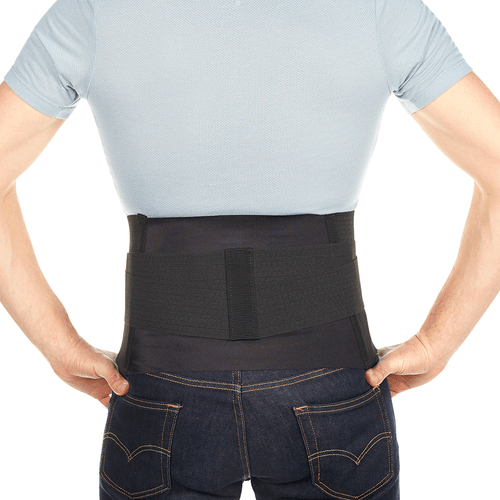


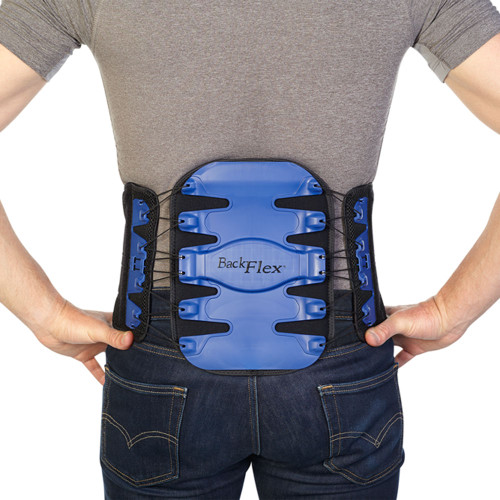


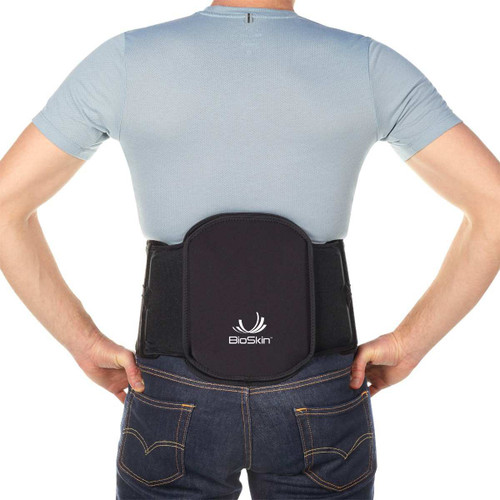


Back braces are designed for different needs. Some provide lightweight lumbar support and compression for everyday wear, while others offer more structured support for people who need greater stabilization during work, activity, or recovery. Depending on the design, a brace may help support posture, reduce excessive movement, and provide targeted support to the lower back.
BioSkin offers several back support options for lower back pain, muscle strain, sciatica symptoms, SI joint pain, spinal stenosis, and other lumbar conditions. The right brace depends on your symptoms, activity level, and the amount of support you're looking for.
How Do I Choose the Right BioSkin Back Brace?
Choosing the right back brace depends on the type of support you need, your daily activities, and whether you're looking for lightweight compression or more structured stabilization. Some people need flexible support for occasional lower back discomfort, while others need a brace that provides greater control during work, recovery, or activities that place more stress on the lower spine.
The table below matches common back support needs with the general type of support BioSkin currently offers.
Proper fit is important regardless of the support level you choose. A brace should provide support and compression without creating excessive pressure, restricting normal movement more than necessary, or causing discomfort during wear. If symptoms persist, worsen, or develop after a significant injury, consult a healthcare professional for evaluation and guidance.
Still unsure which back brace you need?
If you're looking for lightweight support for everyday activities, the Lumbar Back Support may be a good place to start. It provides compression and lumbar support in a low-profile design that can be worn during work, walking, sitting, and other daily activities.
If you need more adjustable support, the Vector Lumbar Support offers a higher level of stabilization with a pulley system that allows you to increase or decrease compression as needed. Many people prefer this type of support when symptoms fluctuate throughout the day or when activity levels vary.
For the highest level of support in the current BioSkin lineup, the Back Flex Lumbar Brace provides a more structured design with greater stabilization. It is often chosen by people who need additional support during recovery, rehabilitation, or activities that place greater demands on the lower back.
Which BioSkin back brace offers the most support?
The Back Flex Lumbar Brace is the most supportive back brace currently available in the BioSkin lineup. Its structured design provides greater stabilization and control than lighter compression-based options.
Which BioSkin back brace is best for everyday support?
The Lumbar Back Support is the lightest option and is often preferred for everyday wear. It provides targeted compression and support while maintaining flexibility for normal daily movement.
What's the difference between the Back Flex Lumbar Brace and the Vector Lumbar Support?
Both braces provide lumbar support, but they are designed for different support levels. The Vector Lumbar Support focuses on adjustable compression and customizable support, while the Back Flex Lumbar Brace offers a more structured design for people who need greater stabilization and support during activity or recovery.
Frequently Asked Questions
Both braces provide lumbar support, but the Back Flex Lumbar Brace offers a more structured level of stabilization. The Vector Lumbar Support uses an adjustable pulley system that allows users to customize compression and support while maintaining a lower-profile design.
A back brace may help provide support, compression, and stability for people experiencing lower back pain. Depending on the cause of symptoms, a brace may help improve comfort during activity, but it does not treat the underlying condition or replace medical care.
A back brace may assist with support during activity and may help reduce the risk of excessive movement in certain situations. However, no brace can completely prevent further injury, and it should be used alongside appropriate exercise, movement, and medical guidance when needed.
People may consider a back brace when lower back pain makes everyday activities more difficult, especially during lifting, bending, prolonged sitting, standing, or repetitive twisting movements. A brace may provide additional support and stability when the lower back feels strained, fatigued, or unstable.
Factors such as activity level, symptom severity, and guidance from a doctor can help determine whether a back brace is appropriate. In some cases, more rigid braces may be prescribed following a specific injury, fracture, or surgery, while lighter support options are often used during everyday activities.
Yes. A back brace may help provide compression, support, and stability to the lumbar spine during daily activities, work, exercise, or recovery, depending on the design of the brace.